
Boxed Gallery

HACİ İLYAS ÇELEBİ MOSQUE
HACİ İLYAS ÇELEBİ MOSQUE
Hırka-i Şerif Foundation Administration's Mosque and Quran Course Project in Istanbul Fatih
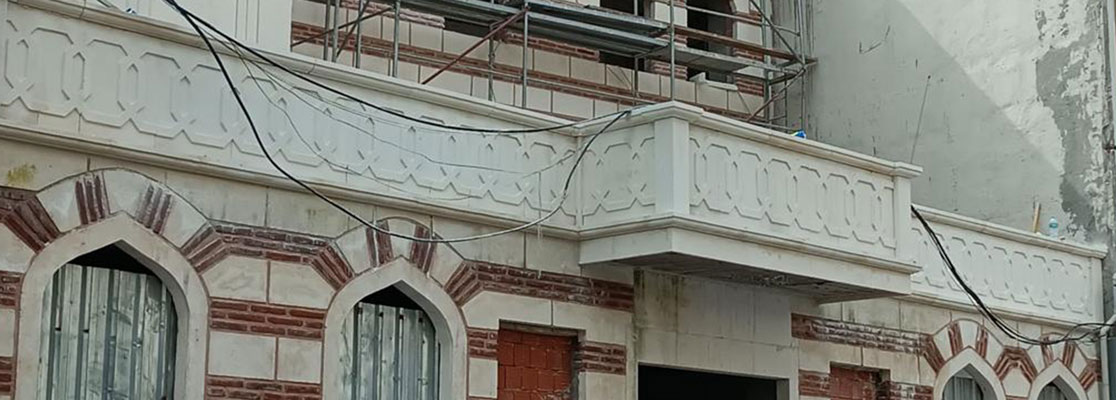
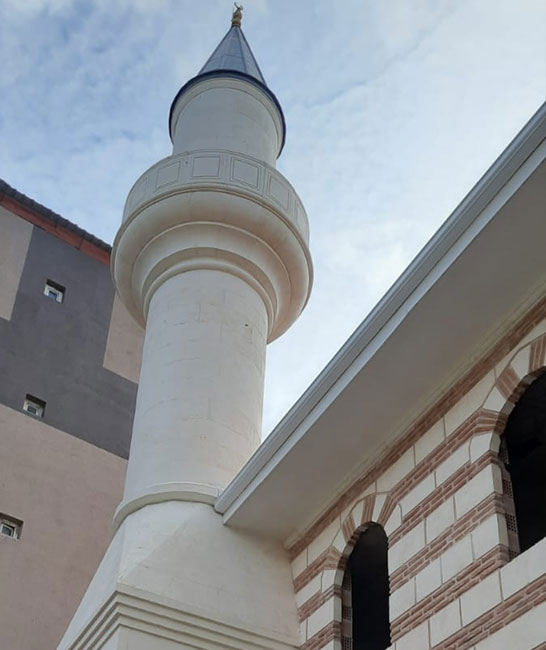
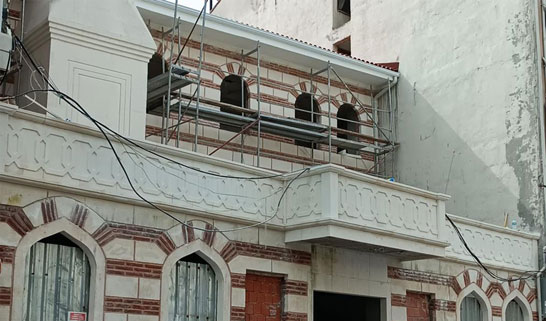
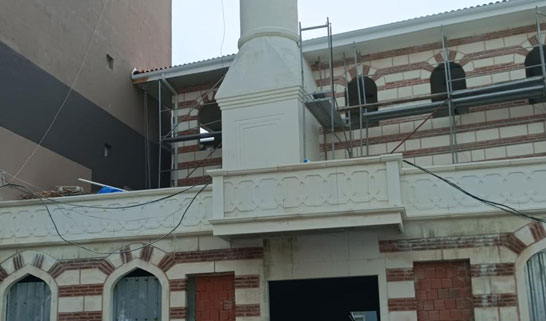
Covering a total area of 750 m², our project in Istanbul embraces a design concept that aligns with the city's historical texture, drawing inspiration from the works of Mimar Sinan. The uppermost floor of our project houses the mosque area, where a wooden mezzanine floor has been meticulously crafted with both aesthetic and functional design principles.
On the ground floor, the Quran course library offers visitors a serene environment for learning and reflection, while the lowest level accommodates Quran course classrooms designed to provide students with both educational and worship facilities. Each floor has been carefully arranged to meet the needs of its users.
Architecturally inspired by the works of Mimar Sinan, this project aims to harmonize history and modernity, creating an aesthetic cohesion. The details of the wooden mezzanine floor, combined with a modern interpretation of architectural tradition, accentuate the character of the space.
The project is still ongoing, with progress being made while prioritizing adherence to quality standards and safety at every stage. This architectural design, which respects Istanbul's cultural heritage, offers users both an aesthetic experience and functional usability.
- M2: 750
- Year : 2020
- Services: Construction & Implemenation
- Location: Fatih , İstanbul
<p>HACİ İLYAS ÇELEBİ CAMİ</p><p><strong>Hacı İlyas Çelebi: A Life at the Intersection of Architectural Tradition and Modern Interpretations</strong></p><p>Hacı İlyas Çelebi was a prominent architect and master who lived during the Ottoman Empire. His life and works have carried the cultural heritage, historical texture, and aesthetic understanding of his time to the present day. In this composition, we will explore how Hacı İlyas Çelebi harmonized architectural traditions with modern interpretations, his contributions to our cultural heritage, and the aesthetic harmony within the historical context.</p><p><strong>Architectural Tradition: The Legacy of the Ottomans</strong></p><p>Hacı İlyas Çelebi produced works during the classical period of the Ottoman Empire. During this period, Ottoman architecture combined Seljuk, Byzantine, and Islamic architectural traditions to create a unique style. Hacı İlyas Çelebi was one of the important figures who continued and enriched this architectural tradition.</p><p>Influenced by the works of Mimar Sinan, Hacı İlyas Çelebi demonstrated his expertise, especially in the construction of religious and social structures such as mosques, madrasas, and complexes. He skillfully used fundamental elements of Ottoman architecture such as domes, minarets, arches, and courtyards to impart both aesthetic and functional qualities to his buildings.</p><p><strong>Modern Interpretation: Reinterpreting the Traditional</strong></p><p>Hacı İlyas Çelebi is known as an architect who enriched traditional Ottoman architecture with modern interpretations. In his works, the elements of classical Ottoman architecture are reinterpreted with modern techniques and materials. This approach brought together aesthetic and functional design principles.</p><p>Hacı İlyas Çelebi developed innovative approaches, especially in the use of wood, adding a modern touch to his buildings with aesthetic and functional details like wooden mezzanines. These wooden mezzanines provided depth and character to the space while ensuring more efficient use of the area. These modern interpretations gave Hacı İlyas Çelebi's works a unique identity.</p><p><strong>Cultural Heritage: Values Carried to the Future</strong></p><p>The works of Hacı İlyas Çelebi are among the significant structures that carry the rich cultural heritage of the Ottoman Empire to the present day. The mosques, madrasas, and complexes he built are not only architecturally significant but also hold great cultural and social importance. These structures reflect the religious, social, and cultural life of Ottoman society.</p><p>Hacı İlyas Çelebi’s works play an important role in preserving and passing on cultural heritage to future generations. His buildings have been preserved through restoration efforts and are still actively used today. This demonstrates that Hacı İlyas Çelebi’s architectural legacy lives on not only in the past but also in the present.</p><p><strong>Historical Texture: An Architect in the Heart of Istanbul</strong></p><p>Some of Hacı İlyas Çelebi's most important works are located within the historical texture of Istanbul. Istanbul, with its numerous historical structures from the Byzantine and Ottoman periods, possesses a rich cultural heritage. Hacı İlyas Çelebi contributed to the architectural and cultural richness of the city with the structures he built within this historical texture.</p><p>In his works, there is a clear effort to harmonize with Istanbul’s historical texture. By combining traditional Ottoman architecture with modern interpretations, he imparted both historical depth and contemporary aesthetics to his buildings. This approach ensured that Hacı İlyas Çelebi's works stood out within Istanbul's historical texture.</p><p><strong>Aesthetic Harmony: The Balance of Tradition and Modernism</strong></p><p>Aesthetic harmony is of great importance in Hacı İlyas Çelebi's architectural approach. In his works, it is possible to see a balanced combination of traditional and modern elements. This aesthetic harmony ensures that the buildings have both a historical and a modern appearance.</p><p>Aesthetic harmony is one of the most distinctive features of Hacı İlyas Çelebi’s works. When you look at his buildings, you notice a perfect balance between elegant details and functional features. This balance is a reflection of Hacı İlyas Çelebi's architectural genius.</p><p><strong>Library: A Place of Knowledge and Peace</strong></p><p>Libraries hold a significant place in Hacı İlyas Çelebi's projects. The libraries he built are not just places where books are stored but also spaces where knowledge and peace coexist. Libraries played an important role as centers of education and knowledge in Ottoman society.</p><p>In Hacı İlyas Çelebi's libraries, aesthetic and functional design principles were carefully applied. Interiors enriched with wooden mezzanines and elegant details offer a serene environment for readers. Libraries not only facilitate access to knowledge but also provide an aesthetic experience.</p><p>Wooden Mezzanine: An Example of Aesthetic and Functional Design</p><p>Wooden mezzanines are a common feature in Hacı İlyas Çelebi’s architectural works. These mezzanines are an important detail that emphasizes the character of the space and adds aesthetic depth. Wooden mezzanines represent a point where traditional Ottoman architecture meets modern interpretations.</p><p>Hacı İlyas Çelebi’s wooden mezzanines are a perfect example of aesthetic and functional design principles. These mezzanines ensure more efficient use of the space while adding a touch of elegance to the interior. Wooden mezzanines give Hacı İlyas Çelebi's works a unique identity.</p><p><strong>Aesthetic Design: The Meeting of Elegance and Functionality</strong></p><p>Aesthetic design holds great importance in Hacı İlyas Çelebi’s architectural approach. In his works, it is possible to see a perfect meeting of elegance and functionality. Aesthetic design ensures that the buildings have both eye-catching elegant details and practical, functional features.</p><p>Aesthetic design is one of the most distinctive features of Hacı İlyas Çelebi’s works. When you look at his buildings, you notice a perfect balance between elegant details and functional features. This balance is a reflection of Hacı İlyas Çelebi's architectural genius.</p><p><strong>Functional Design: Focusing on User Needs</strong></p><p>Functional design principles were carefully applied in Hacı İlyas Çelebi’s works. Creating spaces suitable for users' needs was a priority in his buildings. Functional design ensures that the buildings are both aesthetically pleasing and practical.</p><p>Hacı İlyas Çelebi’s understanding of functional design aims to make the buildings user-friendly and facilitate daily life. This understanding ensures that Hacı İlyas Çelebi’s works are perfect both aesthetically and functionally.</p><p><strong>Conclusion: Carrying the Legacy into the Future</strong></p><p>Hacı İlyas Çelebi was a significant architect and master who enriched the rich architectural tradition of the Ottoman Empire with modern interpretations and carried this legacy into the future. His works are examples where history and modernity meet in aesthetic harmony and where cultural heritage is preserved and passed on.</p><p>Hacı İlyas Çelebi’s architectural genius demonstrates how traditional Ottoman architecture, combined with modern interpretations, can transform into a universal aesthetic value. His works continue to shape the architectural values of both the past and the future.</p><p>The life and works of Hacı İlyas Çelebi show us how architectural traditions can be enriched with modern interpretations, how cultural heritage can be preserved and passed on, and how aesthetic harmony can be achieved. This understanding is an important guide for keeping Hacı İlyas Çelebi’s legacy alive and carrying his values into the future.</p>